What happens if a pitot tube gets blocked during flight? The answer begins with one small opening and a serious loss of air-data reliability. A pitot tube measures ram air pressure, helping calculate indicated airspeed. Ice, insects, dust, or maintenance debris can obstruct it. The cockpit may then show a frozen, decreasing, or misleading airspeed reading. That display can become dangerously convincing.
The 2009 Air France 447 investigation by France’s BEA linked temporary pitot-probe obstruction to inconsistent airspeed indications and a breakdown in flight control. The report documented how quickly confusion developed after the aircraft entered severe weather. FAA Advisory Circular AC 20-73A also stresses that pitot-static system failures can affect airspeed, altitude, and vertical-speed indications. These are not minor instrument problems. They can reshape every decision in the cockpit.
Captain John Cox, a former airline pilot and aviation-safety consultant, explains the practical lesson this way: “When airspeed information becomes unreliable, pilots must return to pitch, power, and performance.” That principle sounds simple. It is not always easy under pressure. A blocked tube does not automatically mean an aircraft will lose control, but incorrect reactions can worsen the situation. Pilots must recognize unreliable indications, use standby instruments, follow memory items, and apply the aircraft’s approved checklist. Training matters here, especially when alarms conflict with physical sensations. The human body can feel movement, but it cannot measure airspeed accurately. This article examines five clear answers, using accident evidence, regulatory guidance, and operational experience to explain what pilots may see, what actions matter, and where common assumptions fail.
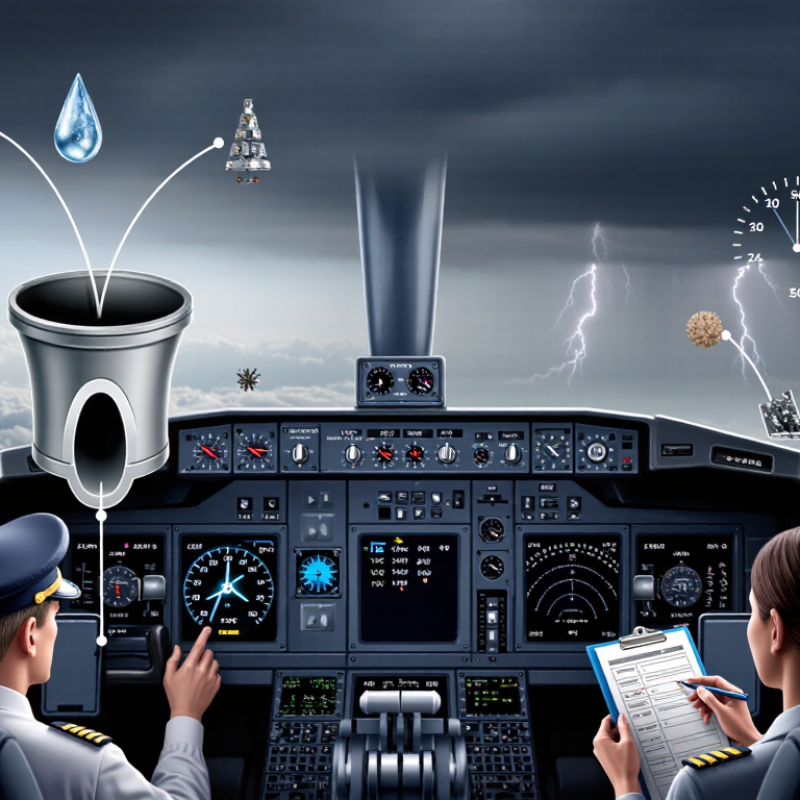
A pitot tube measures total air pressure, not speed directly. The airspeed indicator compares this pressure with static air pressure. That difference becomes indicated airspeed, helping pilots judge lift, stall margin, and aircraft performance. It measures pressure.
According to the FAA Airplane Flying Handbook (FAA-H-8083-3C), the pitot-static system supports airspeed, altitude, and vertical-speed indications. A blockage can therefore create a dangerous illusion. If the inlet and drain hole are blocked, the indicator may behave like an altimeter. During a climb, the displayed speed can rise, even when the aircraft is slowing. If only the inlet is blocked, the reading may fall toward zero. Not necessarily.
The IATA 2024 Annual Safety Report recorded 40.6 million flight sectors worldwide. That scale shows why dependable air-data indications matter beyond the cockpit. Pilots are trained to compare airspeed with pitch, power, altitude, and aircraft behavior. A frozen number should never win that argument. My earlier explanation would be incomplete without noting static-port failures, which can distort several instruments at once. In training aircraft, a blocked tube may appear as a small cover, insect nest, or thin layer of ice. The detail is easy to miss. The safest response follows the approved checklist and aircraft-specific procedures, not guesswork.
| Situation | What the Pitot System Measures | Typical Airspeed Indication | Effect on Altimeter and VSI | Why It Happens | Recommended Response |
|---|---|---|---|---|---|
| 1. Pitot inlet blocked, drain hole remains open | The pitot line loses its trapped total-pressure signal and gradually equalizes toward ambient pressure through the drain path. | Usually decreases toward zero | Normally unchanged if the static ports and static lines remain clear. | An airspeed indicator uses the difference between total pressure and static pressure. With little or no pressure difference, it cannot display the correct dynamic pressure. | Maintain aircraft control using approved attitude, power, and performance references. Follow the aircraft flight manual or checklist and land as soon as practical when appropriate. |
| 2. Pitot inlet and drain hole both blocked | A fixed pressure is trapped inside the pitot line. It no longer changes normally with the aircraft’s actual airspeed. | Erratic or misleading | Usually unaffected when the static system is operating normally. | The airspeed indicator still compares trapped pitot pressure with changing static pressure. During a climb, the indication may rise; during a descent, it may fall, even if true airspeed is unchanged. | Treat the airspeed indication as unreliable. Use verified pitch-and-power data and the applicable emergency or abnormal checklist. |
| 3. Pitot tube partially obstructed | Restricted airflow reaches the pressure chamber, causing delayed or damped pressure changes. | Slow, lagging, or inaccurate | Normally unchanged if the static system is clear. | Water, ice, insects, dirt, or other debris can reduce the pressure response. The displayed airspeed may not follow acceleration or deceleration promptly. | Do not rely on the affected indication for precise speed control. Use other validated references and have the system inspected before further flight. |
| 4. Static port or static line blocked | The pitot tube may still sense total pressure, but the airspeed indicator receives an incorrect or trapped static pressure. | Can become incorrect with altitude changes | Altimeter may freeze at the blockage altitude; VSI generally trends toward zero after its brief pressure response. | The static system supplies reference atmospheric pressure to the airspeed indicator, altimeter, and vertical-speed indicator. A blocked reference makes all related indications unreliable. | Use an approved alternate static source if installed and permitted. Follow the aircraft checklist and avoid assuming that any single instrument remains accurate. |
| 5. Pitot heat prevents or clears an ice blockage | Electrical heat keeps the pitot inlet and, on some aircraft, associated pressure openings free of ice. | More likely to remain accurate | Static indications are unaffected unless the static system is also obstructed. | Ice can seal the inlet or drain opening and create the failure modes described above. Pitot heat helps prevent ice accumulation but does not correct a blocked static port. | Use pitot heat according to the aircraft operating procedures, especially in visible moisture and freezing conditions. Confirm operation before entering known icing conditions. |
It measures ram air pressure for the indicated airspeed system. It does not directly measure aircraft speed.
Trapped pressure can make the airspeed indication change with altitude. During a climb, the reading may rise unexpectedly.During a descent, it may fall.
The airspeed reading may lag, fluctuate, or disagree with another source. It can still look believable.That is the dangerous part.
A clear drain hole may let pressure escape, causing the indication to move toward zero. A blocked inlet and drain may hold one nearly fixed reading.
Yes. Static-system blockage can disturb altitude and vertical-speed readings. Several displays may become unreliable at once.
Compare attitude, power, altitude, vertical speed, engine performance, and available airspeed sources. Do not chase one frozen number.
Follow the aircraft-specific checklist and use known pitch-and-power settings. Reduce unnecessary configuration changes.Stay stable.
Visually inspect the pitot opening, drain hole, and protective cover. Look for ice, insects, dirt, moisture, or damage.A steady reading proves nothing.
The instrument may continue moving, creating false confidence. I would treat apparent normality with more suspicion, not less.
Unreliable speed can overload a crew quickly. Practice should include limited clues, changing weather, stall recognition, and clear communication.Training can become mechanical.
A pitot tube measures the pressure of air flowing into it, helping the aircraft’s airspeed indicator determine how fast the aircraft is moving through the air. What happens if a pitot tube gets blocked during flight? The airspeed indication may become inaccurate, freeze, or change unexpectedly, depending on whether the blockage affects only the tube opening or also the drain hole. A complete blockage can create misleading readings, while a partial blockage may cause unstable or delayed indications.
Because airspeed information supports several aircraft systems and pilot decisions, an incorrect reading can affect climb, descent, and approach management. Pilots are trained to compare airspeed with attitude, altitude, engine performance, and other available indications rather than relying on one instrument. Detection commonly involves preflight inspections, monitoring unusual instrument behavior, and recognizing conflicts between airspeed and aircraft performance. Prevention includes keeping protective covers in place on the ground, checking for contamination, and following approved procedures. If a blockage is suspected, pilots use standard checklists, maintain safe aircraft attitude and power settings, communicate with air traffic services when appropriate, and land as soon as conditions permit.

 Aero Apex